
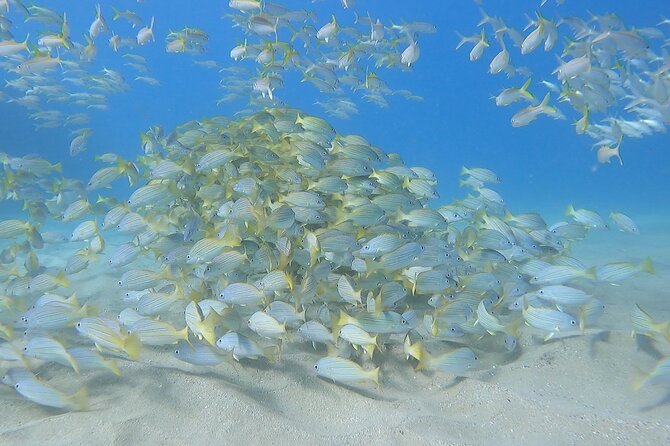
Reviewed · OAHU SNORKELING TOURS
Marine Ecology Snorkel from Electric Beach Oahu with Photos
Electric Beach is more than a place to spot fish. On this small-group snorkel, your guide teaches you to read the reef as you swim, linking coral habitats to the fish, turtles, and other animals that use them. The marine biology focus makes the outing feel like an outdoor lesson, not just a swim with a camera.
I like two things in particular: the group is very small, so there is room to ask questions and share what interests you, and the guide brings reef ecology into the water, where it makes sense. The included gear and photo package also add practical value to a two-hour outing.
One consideration: you need moderate physical fitness and a measure of comfort in the ocean. The water can affect people who are prone to motion sickness, and even confident swimmers may need a moment to adjust. The guides are attentive to safety, but this is still an ocean snorkel, not a pool session.
Key points
- A marine biologist-led lesson: Learn about coral reef ecology, endemic species, and sea turtle ecology as you encounter the reef.
- A small group: The tour is described as having fewer than five people, with a listed maximum of five travelers.
- About an hour in the water: The two-hour outing also includes a site briefing and time to share your interests.
- Wildlife is possible, not promised: Fish and turtles are among the potential sightings; monk seals and eagle rays may also appear.
- Gear and photos are included: You do not need to bring snorkel equipment, and a complimentary photo package is part of the tour.
- A little ocean readiness helps: Expect a moderate physical effort, and consider your comfort with moving water before booking.
A reef lesson at Kahe Point
The tour meets at Kahe Point Beach Park, the Oahu site also known as Electric Beach. Instead of treating the reef as a backdrop, the guide uses the outing to explain how its habitats work and how the animals you see fit into that system.
That difference matters. A fish sighting is more interesting when you understand its place in the reef, and a turtle encounter has more meaning when you hear about sea turtle ecology. The guide also covers Hawaii’s endemic species, so you can learn what makes the islands’ marine life distinct.
The experience starts with a short briefing on the snorkel site and basic information about Hawaii’s reefs. You can ask questions and tell the guide what you hope to learn or see. That chance to set an interest early is useful in a small group: a family curious about turtles may have different questions from a visitor keen on reef structure.
No two snorkels are the same, because the animals and habitats you encounter can vary. That makes the outing less like a fixed checklist and more like a guided look at what is present that day. It also means you should treat any wildlife sighting as a possibility, not a promise.
More snorkeling trips around Oahu:
- Oahu: Grand Tour Around Island 16 Locations plus Snorkeling
★ 5.0 · 8,669 reviews - Oahu’s Ultimate Tour: Dole, Turtle Snorkel, Pali Lookout & More
★ 4.5 · 5,461 reviews - Oahu Circle Island Tour with Turtle Snorkeling— Small-Groups
★ 5.0 · 5,214 reviews
What the two-hour outing includes
The activity lasts about two hours, with roughly one hour spent snorkeling. The remaining time includes the briefing and the practical transition into the water. That is a good format if you want instruction and interpretation without committing a full day to a boat trip or a longer excursion.
All snorkel equipment is included, along with a complimentary photo package. Those inclusions help the $125 price make sense, especially if you would otherwise need to rent gear or arrange your own photos. The main value, though, is the guide’s real-time explanation of what you are seeing.
The meeting point is 92-301 Farrington Highway in Kapolei, and the tour ends back there. The activity is offered in English, and a mobile ticket is available. It is near public transportation, though the tour information does not specify a particular route or provide transport to the meeting point.
Small-group attention, with a safety focus
The outing is semi-private and is advertised as having fewer than five people, with a maximum of five travelers listed. For a water activity, a small group is more than a comfort perk. It gives the guide a better chance to notice how each person is managing and to make space for questions without turning the snorkel into a lecture for a crowd.
The guide team has included Talia, a marine biologist, and Randy. Talia’s role is especially relevant here: the tour is built around marine ecology, and her background supports the close-up explanations that distinguish it from a basic snorkel outing. Randy has helped less-strong swimmers feel safe and comfortable, a reassuring detail for families or anyone who is uncertain in the water.
Children who started out nervous have been able to settle in and enjoy the experience. That is encouraging, but it does not mean the tour is right for every child or swimmer. The stated fitness level is moderate, and the ocean can feel different from a calm pool. Be honest about your own comfort and ability before you book.
Wildlife sightings and realistic expectations
Reef fish and sea turtles are among the animals you may see. Monk seals and eagle rays are also possible, but sightings depend on what is around during your snorkel. The best approach is to arrive curious about the reef as a whole, rather than measuring the trip only by whether a particular animal appears.
The tour’s teaching style helps keep that expectation in balance. You will explore multiple habitats and hear about marine life in real time, so even a snorkel without a rare sighting can offer plenty to notice. Coral reefs are busy ecosystems; the guide helps you pay attention to more than the largest animal in view.
The experience also takes care to acknowledge Hawaiian uses and names for species and the land. That cultural respect adds context to the natural history, helping you connect the reef to the place rather than treating it as a collection of wildlife encounters.
Same island, a different kind of day out:
- Oahu Grand Circle Island and Haleiwa Tour: 9-Hr Deluxe Experience
★ 5.0 · 17,387 reviews - Parasailing Experience in Waikiki, HI
★ 5.0 · 7,692 reviews - Salute to Pearl Harbor Including USS Arizona
★ 4.5 · 7,433 reviews - Majestic Circle Island Tour with Lunch
★ 5.0 · 7,014 reviews
Is $125 a fair price?
At $125 per person, this is not the cheapest way to get into the water. You are paying for a two-hour guided experience, a small group, included equipment, and photos, but most importantly for instruction from a marine biologist. If you only want to snorkel independently, the guided ecology component may not be worth the added cost to you.
If you value explanation and a more personal pace, the price is easier to justify. The guide turns the snorkel into something you can carry into the rest of your time in Hawaii: a better sense of how reef habitats work and what you are looking at when you see fish or turtles elsewhere.
The complimentary photos are a useful extra, particularly if you would rather focus on swimming than taking pictures. The available information does not specify how many images you receive or how they are delivered, so consider the package a bonus rather than the main reason to book.
Preparing for the water
You do not need to bring snorkel equipment, since it is included. The more important preparation is practical: think about how you handle ocean movement and whether an hour of snorkeling fits your fitness level. One participant in the group described getting motion sick before adjusting to the conditions, so if you are prone to motion sickness, plan ahead and consider what usually helps you.
The briefing gives you a chance to ask questions before entering the water. Use it to share concerns, your swimming comfort, and the subjects you are most interested in. The guides can then understand what you need from the outing and where to focus their explanations.
Weather matters. If poor weather cancels the activity, you are offered another date or a full refund. You can also cancel for a full refund up to 24 hours before the start time. Changes or cancellations made less than 24 hours in advance are not accepted for a refund, and the cutoff follows local time.
Who will enjoy this snorkel most?
This is a strong fit if you want to understand the reef, not simply swim over it. It suits curious adults, families with children who can manage a moderate ocean activity, and anyone who likes asking questions while exploring. The small group is particularly helpful if you prefer a guide who can respond to your interests rather than deliver the same talk to a large crowd.
It may be less suitable if you want a guaranteed encounter with turtles or seals, dislike moving water, or prefer to snorkel without instruction. Wildlife is not scheduled, and the tour’s main point is learning as you explore, not promising a specific animal or a particular route.
For a visitor choosing between an independent snorkel and a guided one, ask yourself what you want to remember afterward. If the answer is more than a few photographs, and you would like to know how the animals and habitats fit together, this outing offers a worthwhile reason to go with a guide.
Should you book it?
Book this tour if a small-group setting, marine biology, and time to ask questions appeal to you. At $125, the value rests chiefly on the guide’s teaching and attentive support, with equipment and photos included. If you are comfortable with a moderate ocean outing and can accept that wildlife sightings vary, Electric Beach offers a thoughtful way to see Oahu’s reef.
Skip it if you are looking for a guaranteed turtle encounter or a quick, low-cost snorkel without much discussion. And if you are unsure about swimming in the ocean, weigh that carefully before reserving. For curious swimmers who want context along with the scenery, this is the better choice.
FAQ
Where does the tour meet?
It meets at 92-301 Farrington Highway, Kapolei, Hawaii 96707, at Kahe Point Beach Park.
Where does the tour end?
The activity ends back at its meeting point.
How long does the experience last?
It lasts about two hours, including a short briefing and roughly one hour of snorkeling.
How many people are in the group?
The tour is described as having fewer than five people and has a listed maximum of five travelers.
Is snorkel equipment included?
Yes. Snorkeling equipment is included in the price.
Are photos included?
Yes. The tour includes a complimentary photo package.
What marine life might I see?
Possible sightings include reef fish, sea turtles, monk seals, and eagle rays. Sightings are not guaranteed.
What happens if bad weather cancels the tour?
You will be offered a different date or a full refund.
Just added around Oahu
- Private Turtle Canyon Snorkel Tour – Up to 6 Passengers★ 4.5 · 29 reviews
- Private Off-Road Adventure Tour★ 4.5 · 52 reviews
- Private Off Road Explorer’s Tour★ 5.0 · 4 reviews
- Group Surf Lesson with Videos and Photos★ 5.0 · 69 reviews
- Private Surf Lesson for 3-5 People in North Shore Oahu★ 5.0 · 13 reviews
- Private Group Surf Lesson for 4 by Waikiki Beachboys at the Royal★ 4.5 · 19 reviews
- PRIVATE TOUR-Ultimate Circle Island Tour of Oahu★ 5.0 · 137 reviews
- Private Deep Sea Full-Day Fishing Charter in Hawaiian Waters★ 4.0 · 5 reviews
Oahu Snorkeling Tours, compared.
Grand Tour Around Island 16 Locations plus Snorkeling
Read our review →
Oahu’s Ultimate Tour: Dole, Turtle Snorkel, Pali Lookout & More
Read our review →
Oahu Circle Island Tour with Turtle Snorkeling— Small-Groups
Read our review →
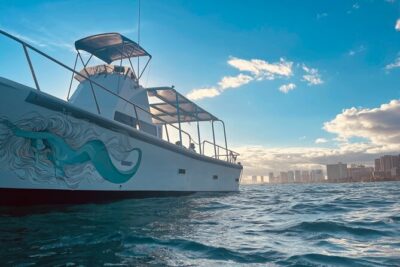
Turtle Canyon Snorkel Adventure in Waikiki, Oahu
Read our review →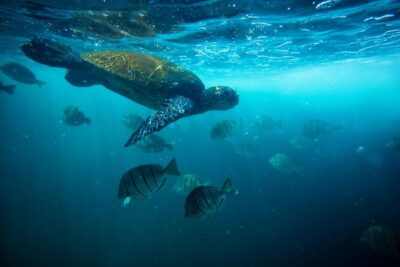
Waikiki Catamaran Snorkel Sail with Lunch: Turtles Guaranteed
Read our review →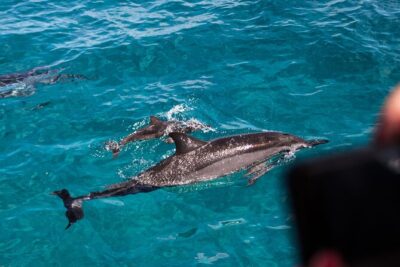
Oahu Dolphin and Snorkel Tour with Waikiki Pickup & Lunch
Read our review →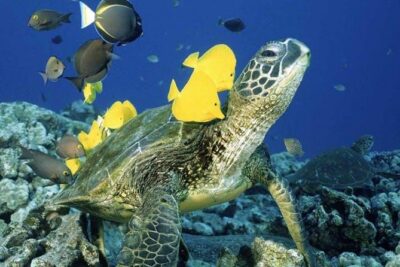
Waikiki Turtle Snorkel and Sail on Hawea Catamaran
Read our review →Browse the lists this tour appears in