
Reviewed · OAHU SCUBA DIVING
Open Water Scuba Certification
Hawaii’s reefs are a fine place to learn to breathe underwater, but this is a real certification course, not a one-afternoon tryout. Across four training days on two consecutive weekends, you study, practise basic skills from shore, and complete four ocean sessions that count toward an SSI Open Water Scuba Certification.
I like two things in particular: you finish with a recognized certification and four local ocean sessions in your log, and the small group size, capped at eight, gives instructors room to help students build confidence. The course also has a clear progression from confined-water practice to open-water training, rather than rushing you straight onto a reef.
The main drawback is the schedule. You need to be free for two weekends, complete digital study before the first class, and arrange your own transport. The course fee is $495, but the mask, snorkel, fins, and boots are extra unless you already own them.
At a glance
- Four training days over two weekends: Plan for a split schedule, not four consecutive days.
- The first day starts at 7:00 am: Meet at Honolulu Scuba Company, 670 Auahi St, suite A-1.
- Most scuba equipment is included: Bring your own mask, snorkel, fins, and boots, or budget from $175 for them.
- Four ocean sessions count toward certification: You’ll complete two on the first weekend and two on the second.
- Small class, up to eight people: A compact group can help make skills practice less intimidating.
- You need to prepare before class: Digital learning is required before the first in-person day, and you must contact the company for access.
Four days, spread across two weekends
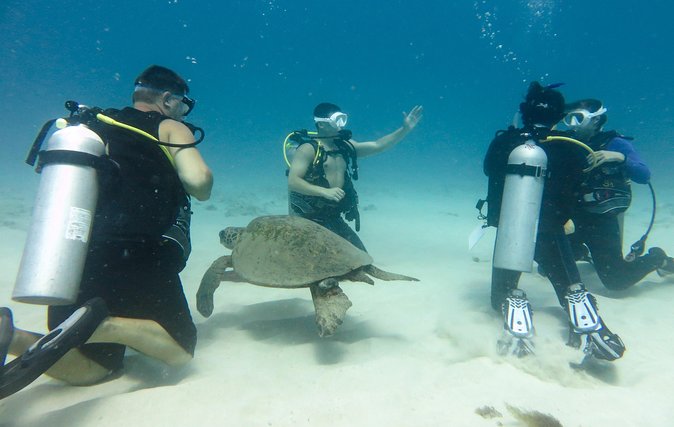
This course follows a step-by-step pattern. You begin with study and skills, then practise in the ocean, return for more confined-water training, and finish with two final ocean sessions. That sequence matters: you have time to get used to the equipment before you’re asked to use it in open water.
The course is designed with local schedules in mind, but visitors can join if they can attend all four days. Don’t treat the dates as flexible vacation activities. Missing a session could disrupt the progression, and the booking is nonrefundable and cannot be changed.
Your first class begins at 7:00 am at Honolulu Scuba Company, 670 Auahi St, suite A-1, Honolulu. The activity ends back at the meeting point, but transportation to and from class is not included. You’ll need to make your own way there each time.
More dive trips around Oahu:
- First-Time Scuba Diving in Honolulu + Free Videos
★ 5.0 · 3,123 reviews - Oahu Shark Dive
★ 5.0 · 2,903 reviews - Oahu: Shark Cage Dive on the North Shore
★ 4.8 · 1,485 reviews
Day one: exam review and beach skills
Before the first class, you must complete the included digital learning. Contact the company directly to get access, and leave enough time to work through it before class. The first day is not the time to begin the coursework: it includes a review of the final exam as well as confined-water scuba training from the beach.
This mix of classroom review and practical skills gives you a chance to connect what you studied with what you’ll do underwater. You’ll learn basic equipment use and techniques in a more controlled setting before moving on to ocean sessions. If you feel nervous, say so early. The course is meant to build skill and comfort in stages, not to push you past your limits.
The company supplies most equipment, though you must bring or buy your own mask, snorkel, fins, and boots. If you need to purchase those items through the provider, prices start at $175. That is a significant extra on top of the $495 course price, so check what you already own and confirm the current equipment cost before booking.
Day two: first ocean sessions
The second day includes two ocean sessions. You’ll take the skills practised from shore into open water, with an instructor guiding the group through the training. This is where the course begins to feel less like equipment practice and more like exploring the underwater world.
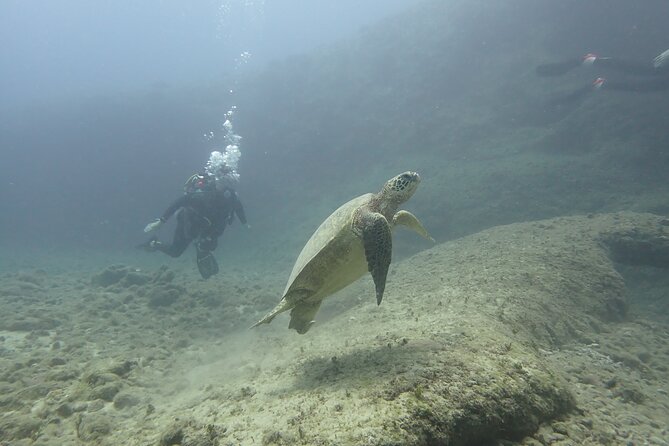
Oahu’s coral reefs are part of the appeal. You may spot tropical fish, sea turtles, or an octopus, though wildlife sightings are never guaranteed. Keep your attention on your instructor and your skills first; the reef is best enjoyed when you feel settled and in control.
The small group limit of eight is useful here. Learning underwater takes concentration, and a compact class can make it easier to ask questions and get personal guidance. The course’s strongest reported qualities are its patient teaching and its focus on helping students feel safe. Instructors named by past students include Hunter, Chandler, Anna, Ed, Jess, Theo, Lenny, Jake, and Nick. Your instructor is not guaranteed, so book for the course structure rather than a particular person.
Day three: back to confined water
The following weekend begins with more confined-water training. Returning to basic skills after your first ocean sessions gives you a chance to practise again with some real-world context. If a technique felt awkward in open water, this is a useful point in the course to work on it before the final ocean sessions.
The schedule’s two-weekend format has a trade-off. The pause between weekends can give you time to absorb what you learned, but it also means you must keep your calendar clear across both weekends. If you’re visiting Honolulu on a short trip, make sure the course dates fit your stay and leave room for weather or other changes to your plans.
Same island, a different kind of day out:
- Oahu Grand Circle Island and Haleiwa Tour: 9-Hr Deluxe Experience
★ 5.0 · 17,387 reviews - Oahu: Grand Tour Around Island 16 Locations plus Snorkeling
★ 5.0 · 8,669 reviews - Parasailing Experience in Waikiki, HI
★ 5.0 · 7,692 reviews - Salute to Pearl Harbor Including USS Arizona
★ 4.5 · 7,433 reviews
Day four: final ocean sessions and certification
The final day includes two more ocean sessions, bringing your total to four local sessions. Once you complete the training, you earn an Open Water Scuba Certification from Scuba Schools International (SSI). You’ll also have four local ocean sessions logged, which gives you a practical start rather than a certification based only on confined-water practice.
The course is a serious commitment, but it can be a worthwhile way to make a longer stay in Hawaii count. Instead of fitting in a single introductory outing, you leave with training you can use on future trips. Just remember that certification follows successful completion of the course. The supplied details do not set out specific pass standards or a timetable for any additional instruction, so ask the company if you have concerns about completing the required skills.
What the $495 price covers
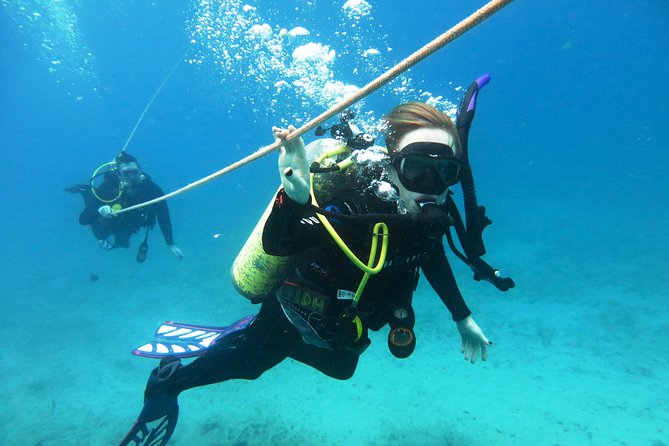
At $495 per person, the course includes a professional guide, most scuba equipment, digital learning, and the four-part training leading to SSI certification. For a full certification course with four local ocean sessions, that is a substantial amount of instruction and practice for the fee.
The value depends partly on what gear you already own. A mask, snorkel, fins, and boots are not included, and buying them through the provider starts at $175. If you need the full set, plan for at least $670 before considering transport or any other personal costs. If you already have suitable gear, the $495 price is much easier to assess as a single course fee.
No private transportation is included. You’re responsible for getting to the meeting point and back, and the course returns to the same location. Build transport into your budget and morning plan, especially since class starts early.
Teaching style and group size
The course is capped at eight participants, a helpful limit for a skills-based class. It gives the instructor a manageable group to watch as you learn equipment handling and underwater techniques. People who are uneasy about breathing underwater may particularly value the patient, supportive approach that several named instructors are praised for.
The most consistently praised elements are clear instruction, patience, and attention to comfort and safety. Hunter, Chandler, Anna, and Ed are among the instructors who receive especially warm mentions, while Jess, Theo, Lenny, Jake, and Nick are also named positively. These individual experiences suggest a team with several strong teachers, but assignments can vary. If you have a preferred instructor, ask before booking rather than assuming you’ll be placed with them.
There have also been complaints about equipment condition and an unsatisfactory training setup. That does not establish what your class will be like, but it’s sensible to check that each item fits and appears to be in good condition before you enter the water. Tell your instructor promptly if something feels wrong or you don’t feel ready to proceed.
Health, fitness, and flight timing
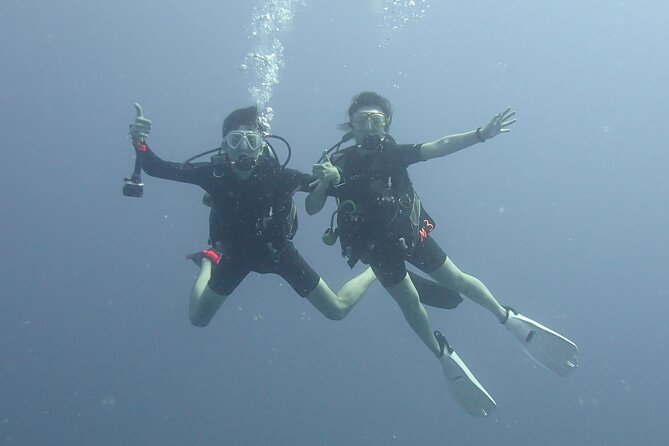
You should have a moderate level of physical fitness. Every participant must complete a health questionnaire before training, and some existing conditions, including asthma or heart conditions, may prevent participation. If you have a medical concern, consult your doctor before booking rather than relying on a last-minute decision.
Flying soon after scuba training is another important planning issue. Diving within 48 hours of flying is not recommended. Since this course spans two weekends and ends with two ocean sessions, check your flight schedule against the final class date before committing.
The booking is nonrefundable and cannot be changed for any reason. That makes advance planning especially important if you’re combining certification with flights, hotel stays, or a tight vacation itinerary. Confirm that you can attend every class, complete the online study beforehand, and meet the health requirements.
Who should book this course?
This is a good fit if you want a full entry-level certification and can devote two weekends to training. It particularly suits visitors staying on Oahu long enough to attend every session, and locals who want to learn in a structured course rather than try a single introductory outing.
It may not suit someone with only a few days in Honolulu, anyone unable to attend both weekends, or a person who wants transport included. It’s also a poor choice if you plan to fly within 48 hours of the final ocean session or have an unresolved medical question about scuba participation.
If you’re new to underwater training and feel nervous, the gradual shift from beach skills to ocean sessions is a sensible format. The small class size and the strong emphasis on patient instruction are reassuring, though no course can promise that every student will feel comfortable at every stage. Be ready to communicate clearly with your instructor and take the training at a safe pace.
Should you book?
Book if you want an SSI Open Water certification, can commit to two weekends, and are willing to handle the extra gear and transport costs. The $495 fee offers good value for a four-day course with four local ocean sessions, especially if you already own the required mask, snorkel, fins, and boots.
Before paying, confirm the dates, ask for digital-study access, check the cost of any gear you need, and make sure your flight and health plans fit the course. If those details work, this is a practical way to turn a Hawaii stay into a useful new skill, with the reefs of Oahu as your training ground.
FAQ
How long is the certification course?
It takes about four days, spread across two consecutive weekends.
What time does the course start?
The meeting time is 7:00 am.
Where does the course begin and end?
It begins at Honolulu Scuba Company, 670 Auahi St, suite A-1, Honolulu, Hawaii. The activity ends back at the meeting point.
What equipment is included?
Most scuba equipment is included. You must bring your own mask, snorkel, fins, and boots, or buy them through the provider, with prices starting at $175.
Is digital learning part of the course?
Yes. Digital learning is included and must be completed before the first class. Contact the company directly for access.
How many ocean sessions are included?
You complete four local ocean sessions: two on the first weekend and two on the second.
What certification do I earn?
After completing the training, you earn an Open Water Scuba Certification from Scuba Schools International (SSI).
Is transportation included?
No. You need to arrange your own transportation to and from the meeting point.
Can I fly soon after the course?
Flying within 48 hours of scuba activity is not recommended. Check your flight timing against the final ocean session before booking.
Just added around Oahu
- Private Turtle Canyon Snorkel Tour – Up to 6 Passengers★ 4.5 · 29 reviews
- Private Off-Road Adventure Tour★ 4.5 · 52 reviews
- Private Off Road Explorer’s Tour★ 5.0 · 4 reviews
- Group Surf Lesson with Videos and Photos★ 5.0 · 69 reviews
- Private Surf Lesson for 3-5 People in North Shore Oahu★ 5.0 · 13 reviews
- Private Group Surf Lesson for 4 by Waikiki Beachboys at the Royal★ 4.5 · 19 reviews
- PRIVATE TOUR-Ultimate Circle Island Tour of Oahu★ 5.0 · 137 reviews
- Private Deep Sea Full-Day Fishing Charter in Hawaiian Waters★ 4.0 · 5 reviews
Oahu Scuba Diving, compared.
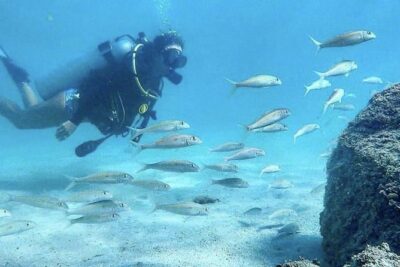
First-Time Scuba Diving in Honolulu + Free Videos
Read our review →
Beginner Scuba Diving Experience with Video Package in Honolulu
Read our review →
Safe and Educational Shark Dive from Haleiwa: Sharks Guaranteed
Read our review →
Dive with Sharks in Hawaii: Shark Tour from Haleiwa
Read our review →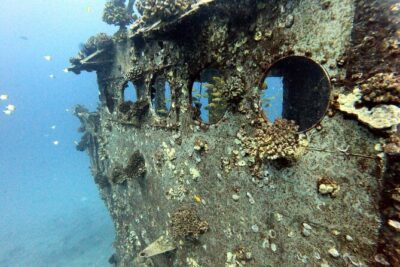
Certified Diver: 2-Tank Deep Wreck and Shallow Reef Dive Off Oahu
Read our review →Browse the lists this tour appears in